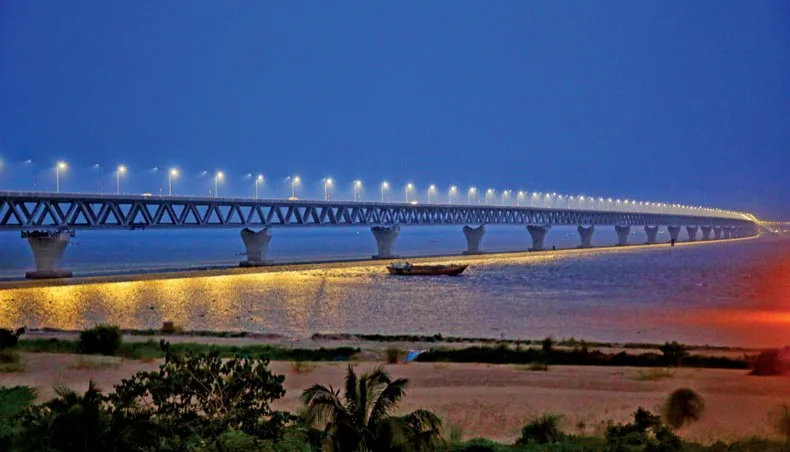
A dream that seemed impossible to accomplish
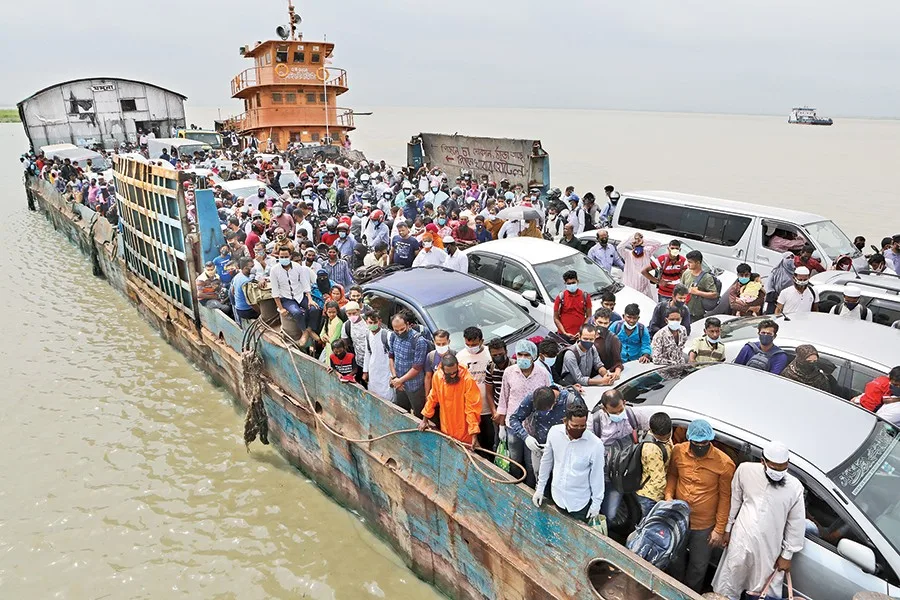
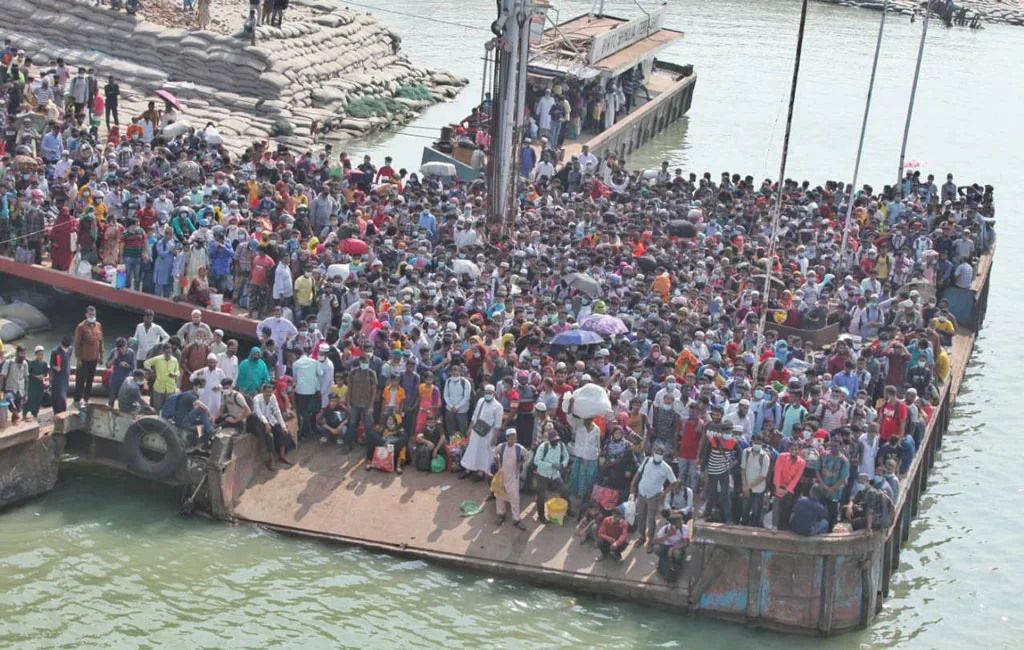
Being a riverland, Bangladesh has a number of bridges. But none of them can be compared to the Padma Bridge. Although it seems like a 6.15- km long structure built with steel and mortar standing on 41 piers, there’s more to it. It is a bridge standing on a treacherous river that was once called “Kirtinasha”. The bridge is a symbol of courage and determination as well as the audacity of a nation. It connects the regions on both sides of Padma. At first, it was considered impossible as the river has a ferocious nature of devouring almost everything nearby. Planners and engineers overcame the river’s challenges in order to design the bridge making the dream of millions come true. For centuries, people had to make a time-consuming and tiring journey to cross the river. They can now cross the river within less than an hour.
A bridge that changed the course of politics
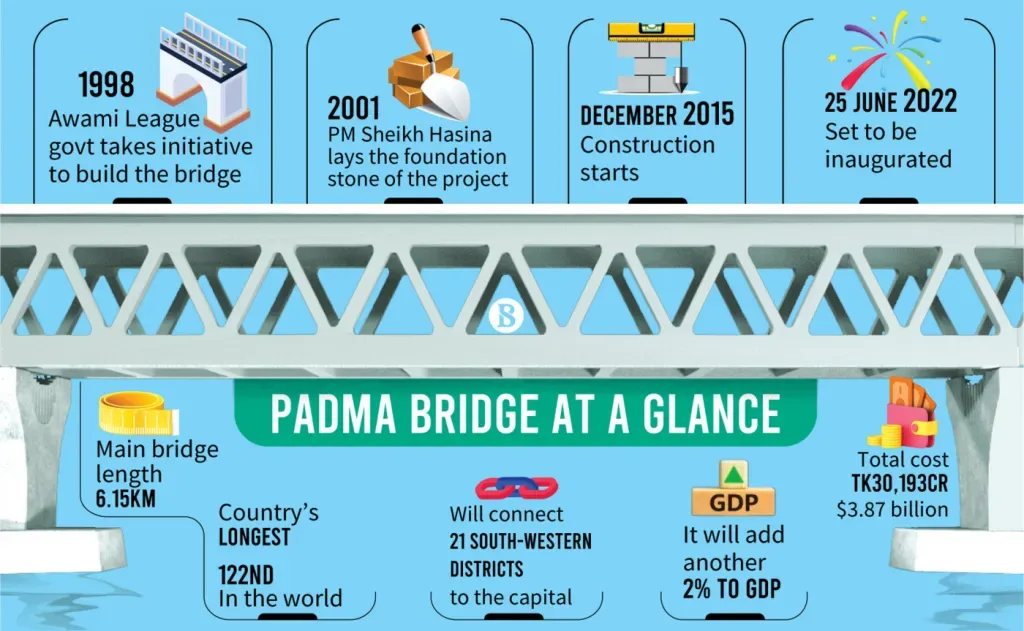
The project of building a bridge over the river Padma was announced back on 18th September 1998. Prime minister Sheikh Hasina laid the foundation stone of Padma Bridge back on 4th July 2001. Years went by, ruling parties changed, and the project was discontinued. In 2010, The Bangladesh Bridge Authority invited the pre-qualification tender for the Padma Bridge project with an estimation of starting the construction by 2011. In 2012, All hell broke loose in Bangladesh when the World Bank came out with a serious accusation of corruption among the high officials of Bangladesh. They claimed to have evidence from different sources that there was a high-level conspiracy among the Bangladeshi High officials and SNC Lavalin regarding the construction of Padma Bridge. They threatened to cancel the IDA Credit of 1.2 Billion US dollars. The accusation became a national issue and was being used as a weapon by the opposition for the upcoming election. After five years, the Canadian Court declared that there was no evidence found supporting the World Bank’s accusation of the Padma Bridge Conspiracy with SNC Lavalin. However, the relationship between Bangladesh and the World Bank is not just another borrower-and-lender relationship. Bangladesh as a developing country needs to work closely with the World Bank and other development aid agencies to keep developing. Disheartened by the World Bank’s decision, our Prime Minister Sheikh Hasina took an impossible challenge. She then declared to construct the bridge without any kind of external financial help. The decision raised the eyebrows of many. Many political relationships had to be changed as there was a great amount of money required to build the bridge. Not only that, the govt. also had to take measures to maintain political peace with the world bank as well as inside the country to make sure that World Bank doesn’t make any further movements showing the issue of corruption among the high officials of the country. There were Chinese companies involved in the construction and river training that also raised the question if it is a part of China’s belt and road initiative or not. A few days before the opening ceremony of Padma Bridge, Bangladesh Ministry of Foreign Affairs ensured that it is not a part of China’s belt and road plan.
Rumors of Padma Bridge
Padma Bridge’s construction was first halted by the World Bank’s accusation of corruption in Bangladesh’s high officials. Later, when the Prime Minister declared to build the bridge with local funding, the rumors also spread that it will never be complete. At times, the opposition made many claims about the Padma bridge. locals even said that the bridge will not be complete as the river devours everything within its grasp. But one rumor came as a shock to the nation when a mob killed a woman by beating her to death, accusing her to be a kidnapper who snatches kids and sacrifices them for Padma bridge.

That’s Right!!! A rumor spread that human sacrifice is required to complete the construction of the Padma Bridge. Children are being kidnapped for sacrifice. Although it sounds ridiculous, these are true events. Mobs have beaten five people to death. It included two women, and injured 10 others. Four of them were mentally challenged women. Three policemen trying to save one of them were also beaten up. It all happened based on suspicion of being child kidnappers. In the capital’s Badda, Taslima Begum Renu, 40, a single mother of two was beaten to death by mob, around 8:30am on 20th July. She went to Uttar Badda Government Primary School regarding the admission of her kids. On 12th July 2019, RAB claimed on their social media page to have arrested 4 people allegedly for spreading rumor about Padma Bridge.
A bridge to connect the country
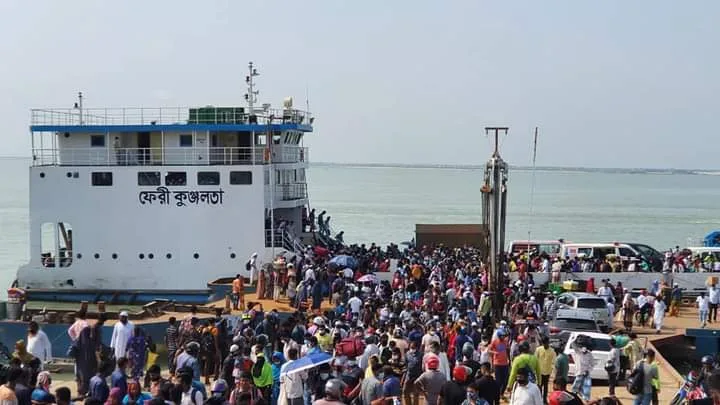
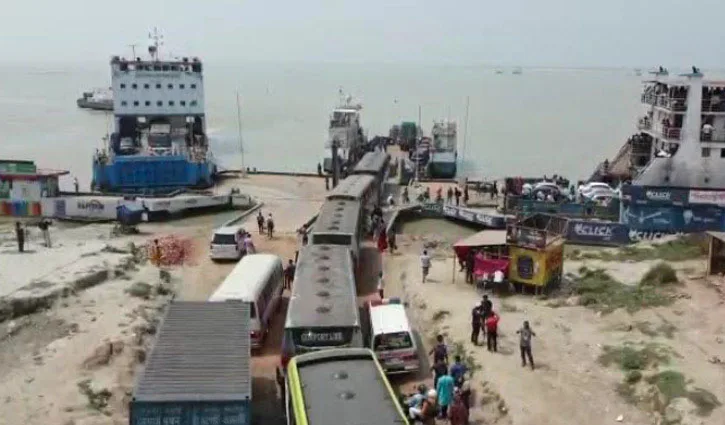
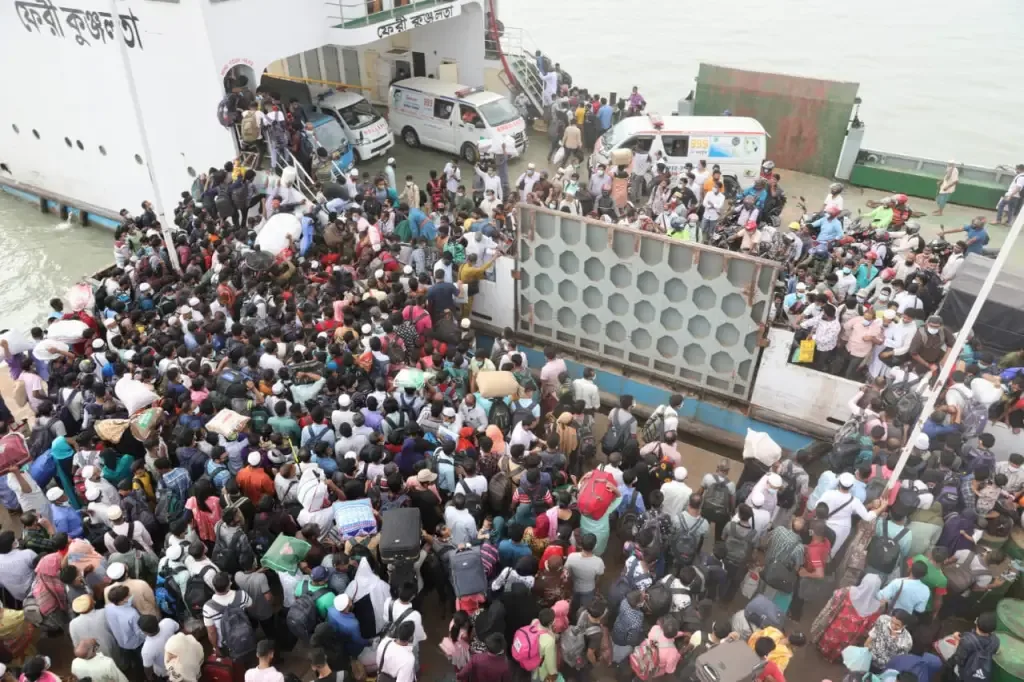
Dhaka is considered as the heart of Bangladesh. Being the capital and center of trade and economy, The connection of Dhaka with the rest of the country is very important. Mongla port is one of the most important ports in Bangladesh. However, the current routes to the port are very troublesome. As it includes Ferry at different points like Mawa, Paturia etc. The crossing, the waiting time for ferries, the queue of transport vehicles, all together, it is a very long process. The Padma bridge project will replace the use of ferries for transport. The bridge will connect 21 southwestern districts as well as the port of Mongla and the port of Payra with the capital. This Enhancement of connectivity will encourage investment in the region. The bridge will develop the transportation system for the southwestern districts. Additionally, it will reduce the distance between Dhaka and the port of Mongla. It will Increase cargo movement between Dhaka and the Mongla Port. As a result, congestion in the port of Chattogram will be reduced.
Padma Bridge will connect southwestern regions with Dhaka. Later, the connections will be expanded beyond the borders of the country. Through the Asian Highways, it will help Bangladesh to connect with more than 32 countries.
Apart from these, the bridge will connect Dhaka to the Asian Highway network. Three routes will be used to make this connection. The length will be around 145,000 kilometers, of which 1,757 kilometers will be inside the country. The Asian Highway-1 (AH-1) Route is from Guwahati to Petrapole via Tamabil- Shayestaganj-Narsingdi-Mawa-Bhanga-Narail-Jessore-Petrapole. The length of this route is 491km. The distance between West Bengal with Assam by road via Bangladesh is 1,126 kilometers. The AH-2 route is from Guwahati to the Northern part of West Bengal. The route is through Sylhet-Dhaka-Bogra-Rangpur-Banglabandha. Its length will be 512 kilometers.
The railway line on the Padma Bridge is planned to be connected with the Trans Asian Railway. It will create a route from Petrapole to Benapole via Jessore-Narail-Dhaka-Chittagong-Ghundhum to Myanmar. The dream of Trans Asian Railway will also be fulfilled through the Padma Bridge. It is by far the largest project of railways in Asia. Once the project is completed, Bangladesh’s railway will be introduced to other Asian countries. The connection will extend through Japan-Korea-China-Indonesia-Bangladesh-India-Pakistan-Middle East to the Turkish border in Iran.
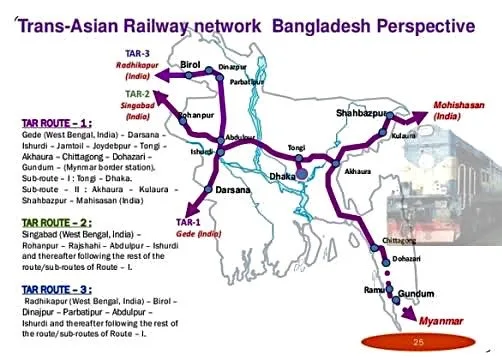
Experts said that this will open many new doors of opportunities for trade and commerce.
Building the dream bridge
The construction of the Padma Bridge started on November 26, 2014. It took around 7 years and 7 months to complete the construction. On June 22 this year the project was completed and inaugurated on the 25th. To complete the construction, around 14,000 engineers and consultants worked day and night. The workforce included 1200 local engineers, 2,500 foreign engineers, around 7,500 local workers, 2,500 foreign workers and around 300 local and foreign consultants. The engineers of Padma Bridge confirmed the details. They also confirmed that engineers from 20 countries and labourers from 15-20 districts have worked on the project. It includes China, Canada, United States, Nepal, Sri Lanka, Malaysia, Australia, Germany, England, South Korea, Netherlands, and New Zealand. The districts are Munshiganj, Shariatpur, Madaripur, Gaibandha, Jashore, Noakhali, Barishal, Bogura, Tangail, etc. Each labourer worked eight hours per day.
We were busy working on the bridge when everyone was celebrating Eid with their families.
Said Rahat Hossain, an engineer who worked on the bridge. He also said that to keep the pace of work, many labourers and engineers did not take leave. They had also stayed in the bridge project area during festivals. They had not seen the faces of our loved ones for a long period.
Dream Turned Goal and Achieved
With the opening of Padma Bridge, many doors of opportunities are opened. It is estimated that the bridge will boost the country’s annual GDP by 1.23 percent. The GDP of the southwestern region is projected to increase by 2.5 percent. The bridge will also be linked to the Padma Rail Link Project. The project will make Bangladesh a sub-route of the trans-Asian rail network. It will boost the growth of GDP by approximately 1 percent. The project will also allow Bangladesh to maintain rail connections with India, Nepal and Bhutan. It is also expected that the travel time from Dhaka to the southwestern region will decrease. For cars and buses, it will decrease by about two hours and for trucks, 10 hours. According to the Japan International Cooperation Agency, this 10 percent reduction in travel time will increase the region’s economic output by 5.5 percent.
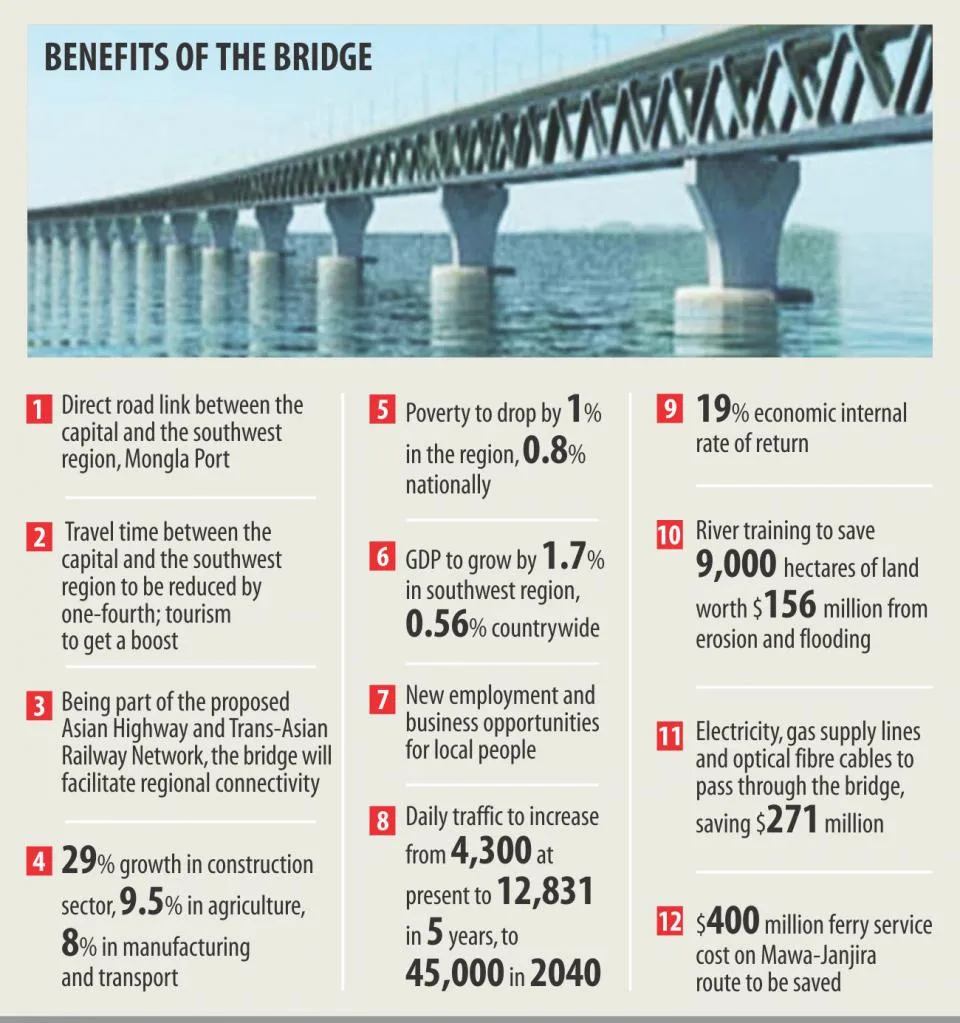
The Bangladesh Economic Zones Authority is planning to develop 17 economic zones covering southeastern areas to accelerate industrialization and economic growth. It was predicted by World Bank in 2011 that the poverty reduction rate will increase by 1 percent in the region. At the national level, it will increase by 0.8. All of the above were predictions and projections by different organizations and studies. With the Padma Bridge being inaugurated, we are now seeing them in effect. The dream that was once thought to be impossible, has now, come true.